
The short answer: manufacturers get found in AI search the same way they earn trust with buyers. Publish clear, specific, accurate information about what you make and who you serve, structure it so machines can read it, and get mentioned on the industry sites AI tools already trust.
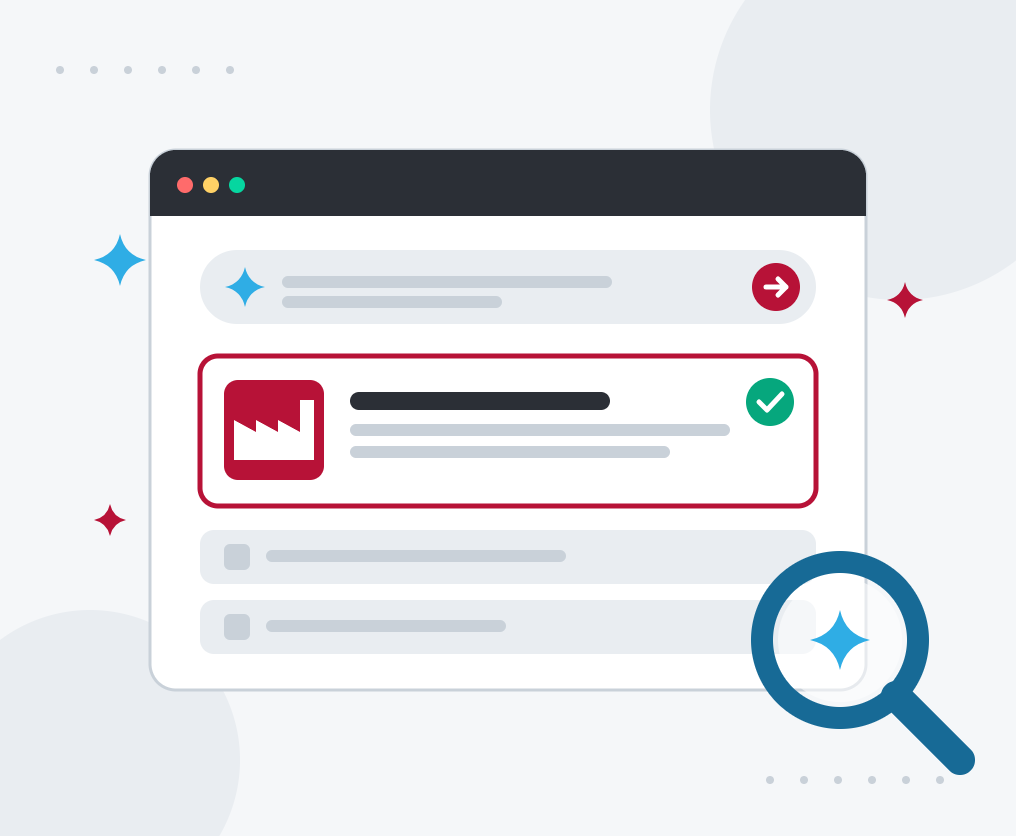
Industrial buyers have not stopped searching. They have added a step. Before an engineer or purchasing manager visits your website, they may ask ChatGPT, Perplexity, Copilot or Google’s AI Overviews for a short list of suppliers. If your company is not in that answer, you may never make the list.
Two shifts are happening at once.
The G2 numbers come from software buyers, not industrial buyers, but the direction is the same in manufacturing. Engineers and procurement teams are under time pressure, and a tool that summarizes ten supplier websites in seconds is hard to ignore.
Each tool works a little differently, but they share a pattern. They pull from pages they can crawl, look for consistent facts across several sources, and favor sources they consider authoritative. In practice, that means four things matter most:
Write down 20 to 30 questions your buyers ask, such as “Who does powder coating for agricultural equipment parts?” or “What companies offer custom rubber molding in Illinois?” Ask them in ChatGPT, Perplexity, Copilot and Google. Record whether you are named, which competitors appear and which sources are cited. That list of cited sources becomes your outreach target list.
Give each core process or product its own page. Lead with a direct summary, then cover materials, tolerances, part sizes, volumes, certifications, industries and lead times. Use the terms engineers actually search for, including part names and specifications.
Schema markup tells search engines and AI tools exactly what a page is about. At a minimum, use Organization, Service or Product, and FAQPage markup where it fits. Make sure your company name, logo, address and phone number are consistent in that markup.
Add short FAQ sections to key pages and write answers that stand on their own. AI tools often lift the first one or two sentences, so put the answer there and the explanation after.
This is the off-page half of AI search optimization, and it is often the difference between being cited and being ignored. Focus on trade publications, association directories, supplier databases, local manufacturing organizations, and case studies or press releases your customers and partners can share.
Audit your Google Business Profile, LinkedIn page, directory listings and association profiles. Outdated addresses, old capability lists or mismatched company names confuse both search engines and AI tools.
Rankings alone no longer tell the full story. Track how often you appear in AI answers for your priority questions, which pages are cited, and whether AI-referred visitors are turning into calls and form fills. Pair that with lead tracking so you can see which visibility turns into revenue.
AI search does not replace your other channels. It works best alongside them. SEO and AI search builds visibility, paid search captures demand right away, email marketing nurtures long sales cycles, and teleservices follows up and qualifies opportunities. When each channel shares data, the whole program gets smarter.
AI search is when a tool like ChatGPT, Perplexity, Microsoft Copilot or Google’s AI Overviews answers a question directly, summarizing information from several websites instead of only listing links. For manufacturers, it means buyers can get a short list of suppliers without visiting a single website.
Not replacing, but changing it. Google still drives most website traffic, yet a growing share of searches show an AI summary, and fewer people click through when they do. Buyers now use both: AI tools to build a short list and Google to check details.
Ask the tools the questions your buyers ask, such as “Who makes precision CNC parts for medical devices in the Midwest?”, and note whether you are named and which sources are cited. A structured audit repeats this across dozens of prompts and tools over time.
No. AI tools lean heavily on the same signals SEO builds: clear, crawlable pages, accurate information and mentions on trusted third-party sites. Good SEO is the foundation; AI search optimization adds structure, entity clarity and off-site authority on top.
Fixing technical and on-page issues can help within weeks, as tools re-crawl your site. Building the third-party mentions and authority that AI tools trust usually takes three to six months of steady work.
If you want a clear picture of where you stand, schedule a 30-minute strategy call. You will walk away with at least three actionable ideas, even if we never work together. You can also see what we have done for other manufacturers in our success stories and client testimonials.